Sinking of Japan
5.6
29%
2.9
Review
*may contain spoilers
I watched Sinking of Japan and it tries to bring back those grand disaster epics from the 1970s, but it ends up feeling uneven and way too sentimental. The story is simple. Japan is literally sinking into the ocean because of massive tectonic plate shifts.
A scientist discovers the country has less than a year before it’s completely gone. Meanwhile, a rescue worker named Reiko saves a submarine pilot and a little girl during an earthquake. As more disasters strike, their lives cross again while the government scrambles to find a solution.
The setup promises a serious look at what would happen if an entire country disappeared, but the movie barely explores that. The big political and social questions, like how the world would handle millions of Japanese refugees, are hardly touched. Instead, we get forced romance, heroic sacrifices, and tearful speeches.
It feels more like Armageddon or The Day After Tomorrow than a thoughtful disaster drama. The emotional scenes are so heavy handed they’re almost funny, especially when characters declare their love in the middle of total chaos.
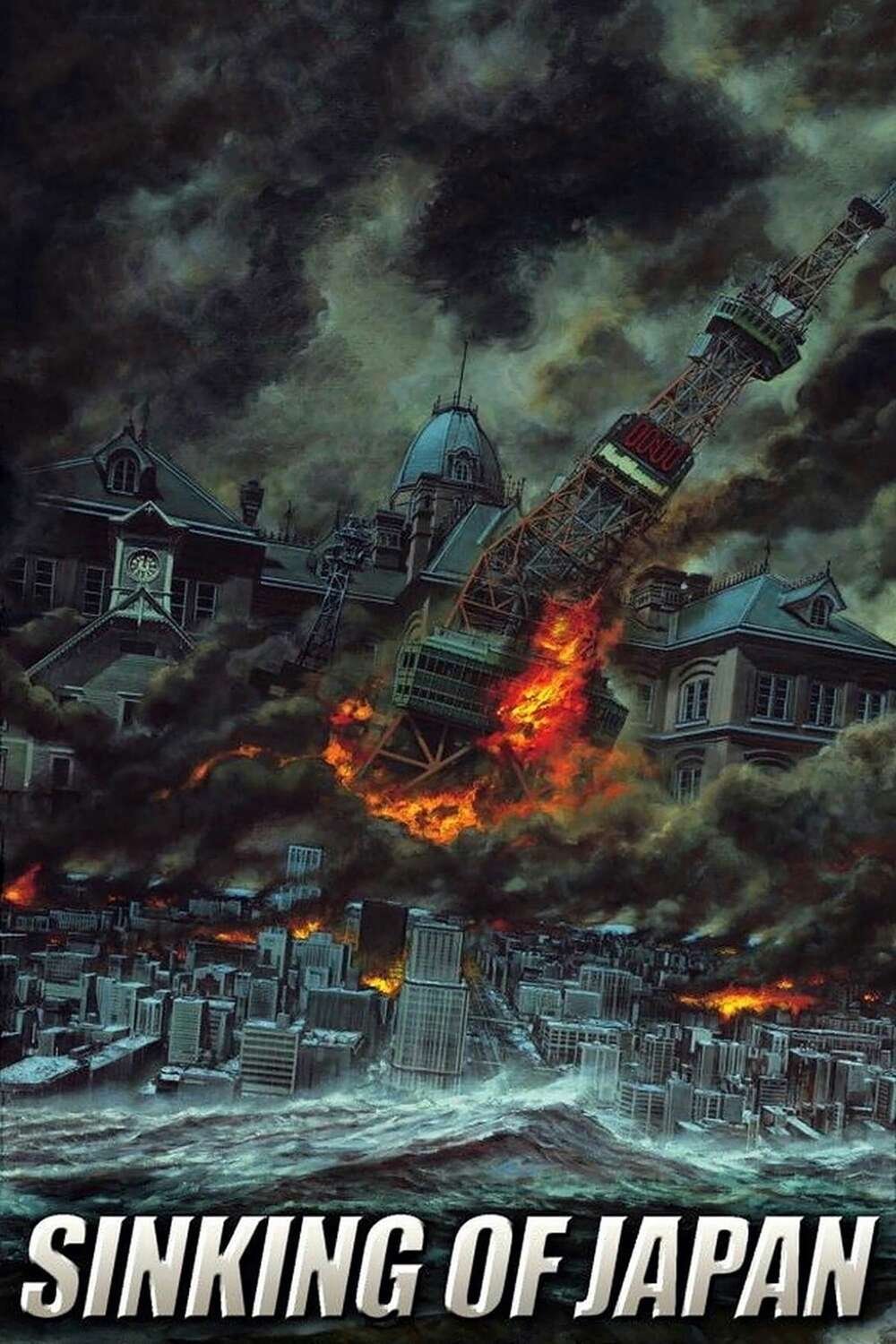
Visually though, the film is stunning. Director Shinji Higuchi really knows how to create spectacle. The scenes of destruction are impressive. Tokyo collapsing, volcanoes erupting, the sea swallowing entire cities. These are easily the film’s strongest moments. The effects team did an amazing job creating visuals that rival Hollywood blockbusters on a smaller budget. Those wide shots of Japan breaking apart are both beautiful and terrifying.
Unfortunately, the human story doesn’t match the quality of the visuals. The romance between Reiko and Toshio feels flat with no real chemistry. Etsushi Toyokawa as Dr. Tadokoro gives the most convincing performance, and Mao Daichi adds some depth as a government official making impossible choices.
But most characters feel like stock figures from older disaster movies. The pacing also suffers. The film spends too much time explaining geology and repeating information, then rushes through emotional scenes later. The tone swings wildly from science lecture to action to melodrama, and none of it blends smoothly.
By the end, Sinking of Japan tries to find hope through a self-sacrificing act that saves the nation, but it feels hollow. The original 1973 version had a darker, more haunting message. This remake just settles for easy emotion. It’s technically impressive and looks great on the surface, but there’s not much depth underneath. I wanted to feel moved, but I mostly just admired the visuals and wished the story had been better.
– written by sankalp